
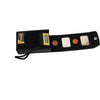
Coating Thickness Gauge: Precision Measurement for Industrial Quality Control
, by Jenny Aguirre , 5 min reading time
, by Jenny Aguirre , 5 min reading time
In modern manufacturing, automotive production, and metal fabrication, surface protection plays a critical role in product durability and performance. Ensuring that coatings such as paint, plating, and protective layers are applied at the correct thickness is essential for quality, safety, and compliance. This is where a coating thickness gauge becomes an indispensable tool.
A coating thickness gauge provides fast, accurate, and non-destructive measurement of coating layers on metal surfaces. Whether you are inspecting painted steel, galvanized materials, or plated components, this tool ensures consistency and quality across production processes.
You can explore professional-grade options such as the INSIZE model available at:
https://insizeaustralia.com.au/products/insize-coating-thickness-gauge1360
A coating thickness gauge is a precision instrument used to measure the thickness of coatings applied to a base material, typically metal. These coatings may include:
Paint layers
Powder coatings
Electroplating
Galvanizing
Protective films
The device works using magnetic induction or eddy current principles, depending on the substrate material. It provides quick, accurate readings without damaging the surface being tested.
Proper coating thickness is critical in many industries. If the coating is too thin, it may not provide adequate protection. If it is too thick, it can lead to cracking, peeling, or unnecessary material waste.
Accurate measurement helps:
Improve product durability
Ensure corrosion resistance
Maintain quality standards
Reduce production costs
Meet industry regulations
This makes coating measurement a key part of quality control systems.
Coating thickness gauges operate using two main technologies:
Used for measuring non-magnetic coatings on steel or iron surfaces. The gauge detects changes in the magnetic field caused by the coating layer.
Used for measuring coatings on aluminium, copper, and other non-ferrous metals. It detects electrical conductivity changes to determine coating thickness.
Both methods provide fast, reliable, and non-destructive testing results.
Provides precise readings for quality control and inspection processes.
Allows measurement without damaging the coated surface.
Modern gauges offer clear digital readings for easy interpretation.
Compact and lightweight for on-site and workshop use.
Suitable for automotive, industrial, and manufacturing environments.
A closely related tool is the plating thickness gauge, which is specifically used to measure metallic coating layers such as zinc, nickel, chrome, and copper plating.
Electroplating inspection
Corrosion protection verification
Automotive component testing
Aerospace surface finishing
Metal fabrication quality control
While a coating thickness gauge covers a broader range of coatings, a plating thickness gauge focuses specifically on metallic layers, making it essential for electroplating industries.
Used to inspect paint layers and protective coatings on vehicle bodies and parts.
Ensures consistency in protective coatings for industrial components.
Critical for verifying coating compliance on aircraft parts for safety and durability.
Used to check protective coatings on structural steel and building materials.
Helps ensure corrosion-resistant coatings on ships and offshore structures.
Ensures every product meets coating specifications and industry standards.
Reduces material waste by preventing over-application of coatings.
Proper coating thickness improves corrosion resistance and durability.
Provides instant readings for efficient workflow.
Helps manufacturers meet ISO and industry coating requirements.
When selecting a gauge, consider the following:
Ensure compatibility with ferrous or non-ferrous substrates.
Choose a device that covers your required coating thickness levels.
Higher precision is essential for industrial quality control.
Look for data storage, calibration, and user-friendly display features.
To ensure long-term accuracy:
Calibrate regularly
Keep probe clean
Avoid dropping or impact damage
Store in protective casing
Follow manufacturer guidelines
Proper maintenance ensures consistent and reliable measurements.
INSIZE coating measurement tools are widely used in industrial environments due to their accuracy, durability, and ease of use. They are designed to meet strict quality control standards and provide reliable performance across various applications.
You can view the product here:
https://insizeaustralia.com.au/
A coating thickness gauge is an essential tool for ensuring product quality, durability, and compliance in modern manufacturing. From automotive paint inspection to industrial plating applications, it provides fast, accurate, and non-destructive measurement of coating layers.
Including related tools like the plating thickness gauge enhances inspection capabilities and ensures complete control over surface finishing processes.
For industries that demand precision and reliability, investing in a high-quality coating thickness gauge is a crucial step toward maintaining consistent product excellence and long-term performance.


